
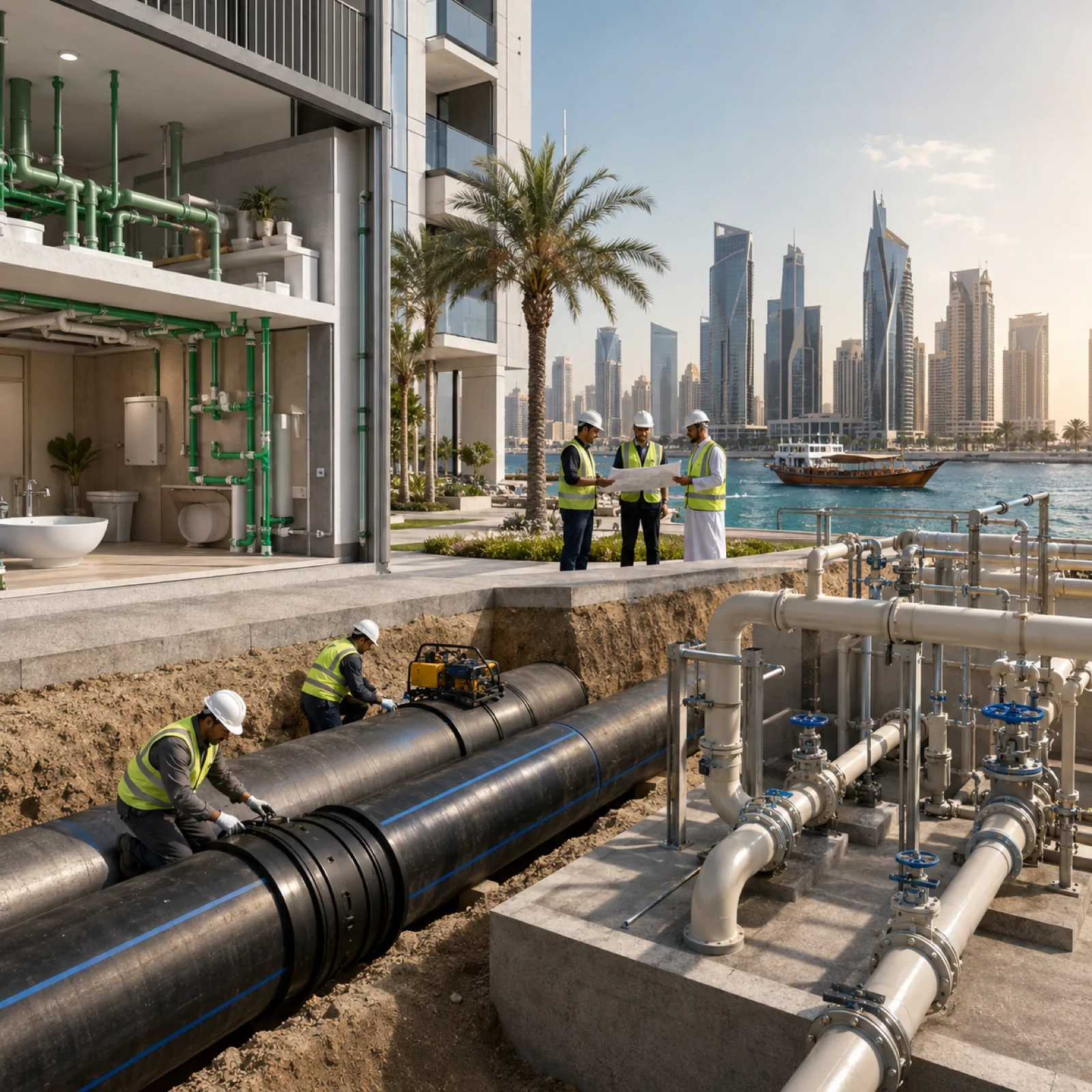
 Material Selection
Pipe Material Selection Matrix: 6 Systems Compared
A pipe material selection matrix with every figure sourced: PP-R’s 95 °C is a 100-hour malfunction limit, not a rating — ISO 10508 Class 2 runs 70 °C continuous.
Selection matrices, size and pressure-class tables, jointing and pressure-test procedure, chilled-water design and import compliance — written from our own catalogue data and from the published standards, with the figures we cannot verify left marked rather than filled in.
Material SelectionA pipe material selection matrix with every figure sourced: PP-R’s 95 °C is a 100-hour malfunction limit, not a rating — ISO 10508 Class 2 runs 70 °C continuous.
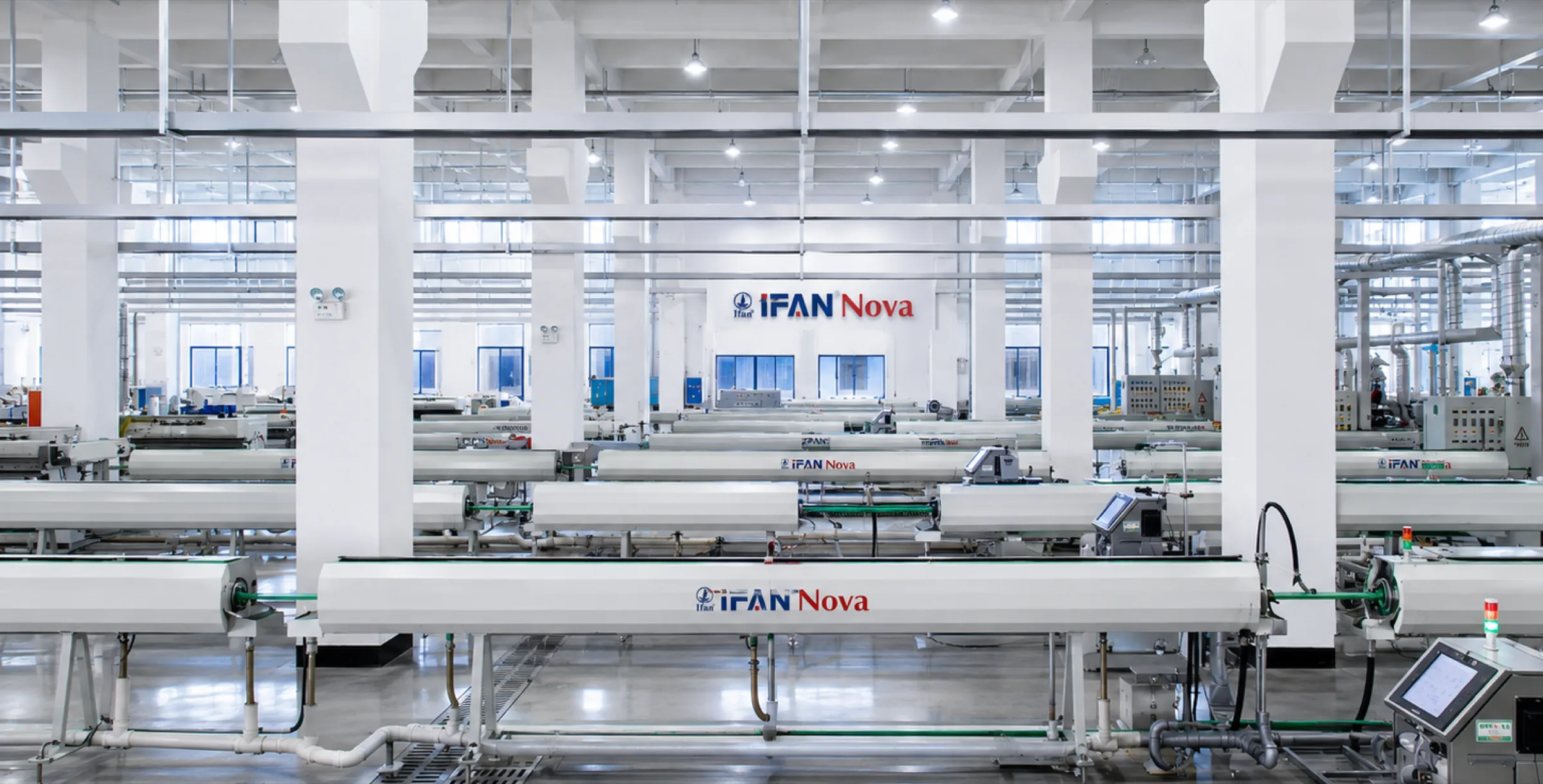 Sizes & Reference
Four designation systems that do not agree with each other, reconciled against the sizes we actually manufacture.
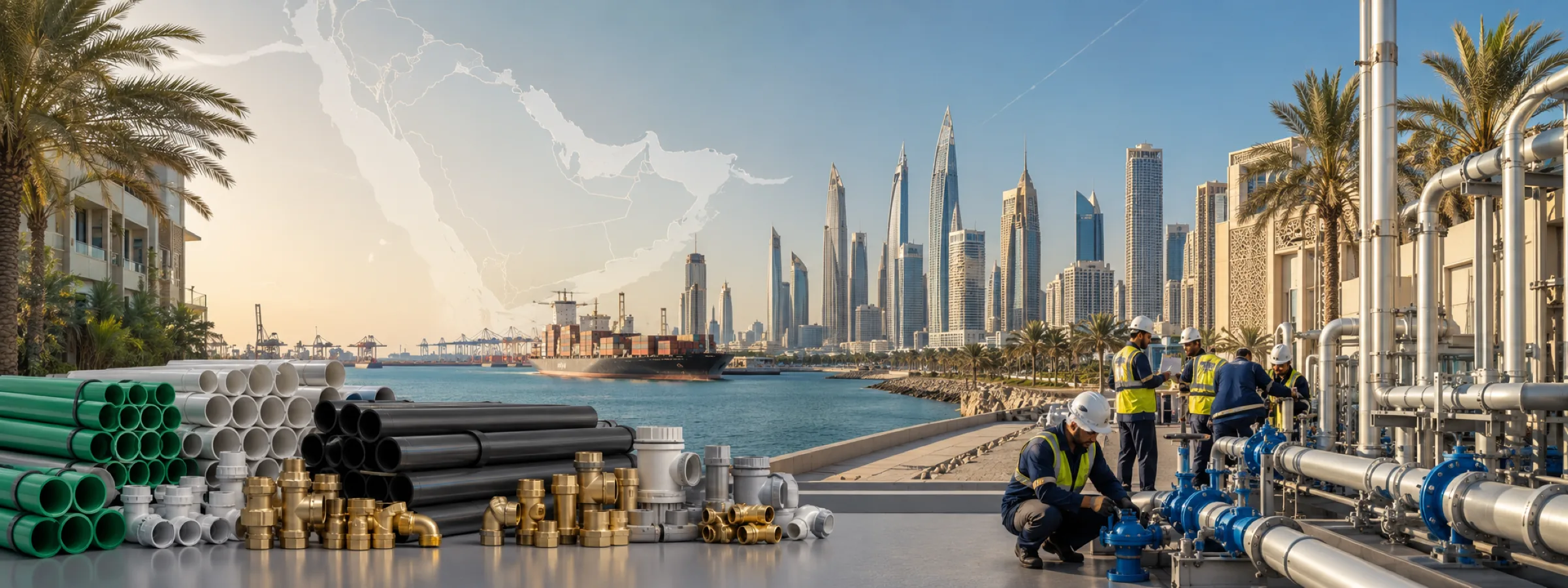 Importing & Compliance
Four certification schemes, four different legal bases, and one regulatory gap nobody in the trade talks about openly.
Results update as you type.
Material Selection — Which material for which duty — compared on published figures, with the limits stated rather than glossed over.
Installation & Jointing — The process windows, the failure modes and the inspection steps — the part that decides whether a correct specification survives the site.
Sizes & Reference — What we actually manufacture, size by size, and what a size chart cannot tell you.
Chilled Water & HVAC — Sizing, insulation, vapour barriers and expansion — where chilled-water work goes wrong, and why it is not the same problem as hot water.
Importing & Compliance — SABER, ECAS, potable-water approval, HS codes and tender paperwork — what the certificates actually buy you, and what they do not.
Sourcing & Commercial — Factory versus trader, stock versus direct import, private label, and how pipe actually loads into a container.
Material SelectionA pipe material selection matrix with every figure sourced: PP-R’s 95 °C is a 100-hour malfunction limit, not a rating — ISO 10508 Class 2 runs 70 °C continuous.
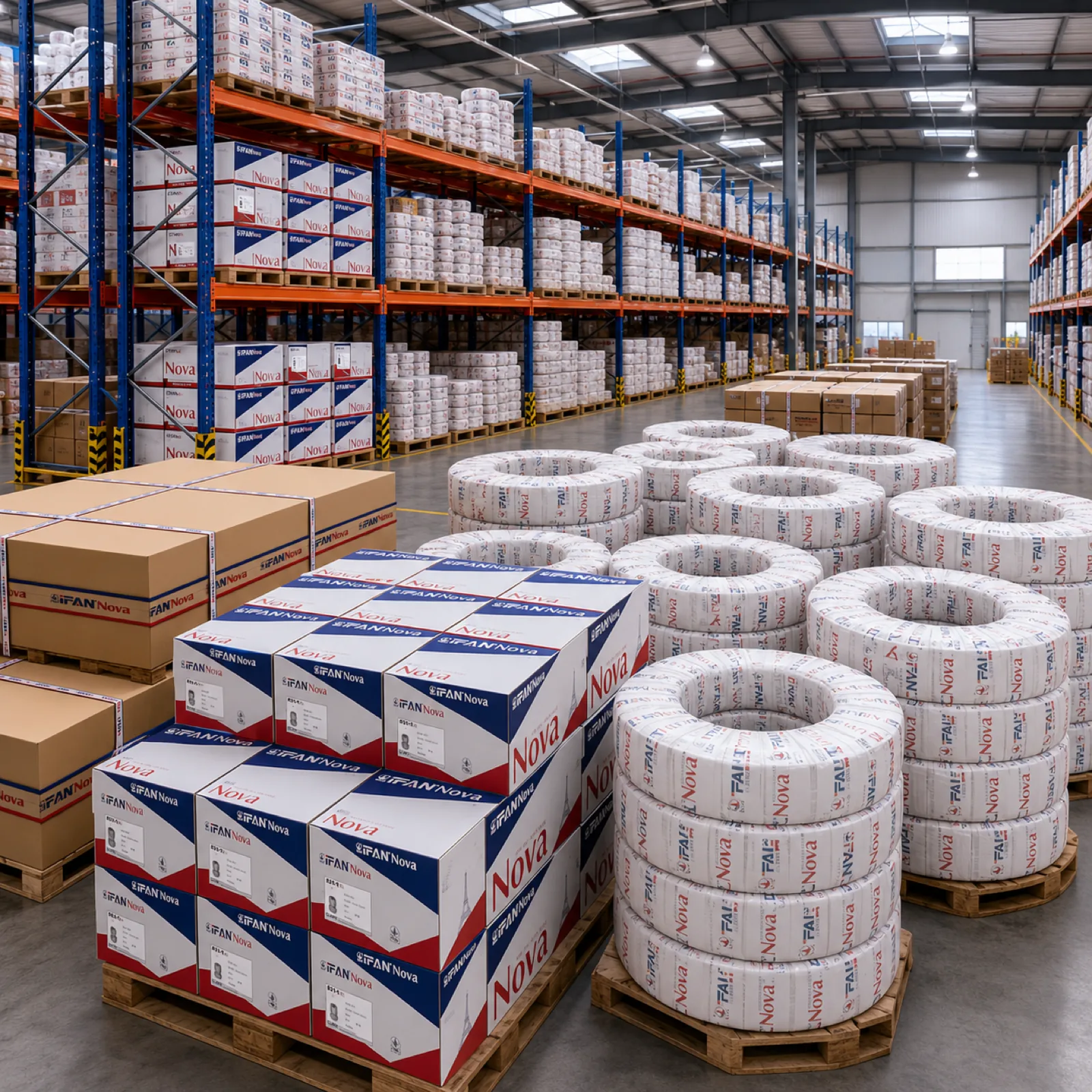 Material Selection
Choosing the wrong pipe material is expensive — a hot-water line that softens, a buried main that cracks, or a chemical run that corrodes means rework, warranty…
 Material Selection
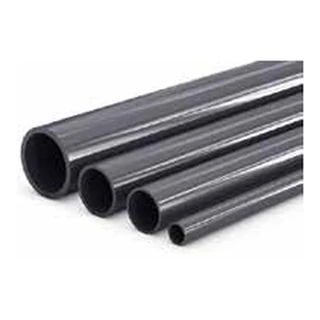
“UPVC” and “PVC” name the same pressure material: PVC-U, the subject of EN ISO 1452.
 Material Selection
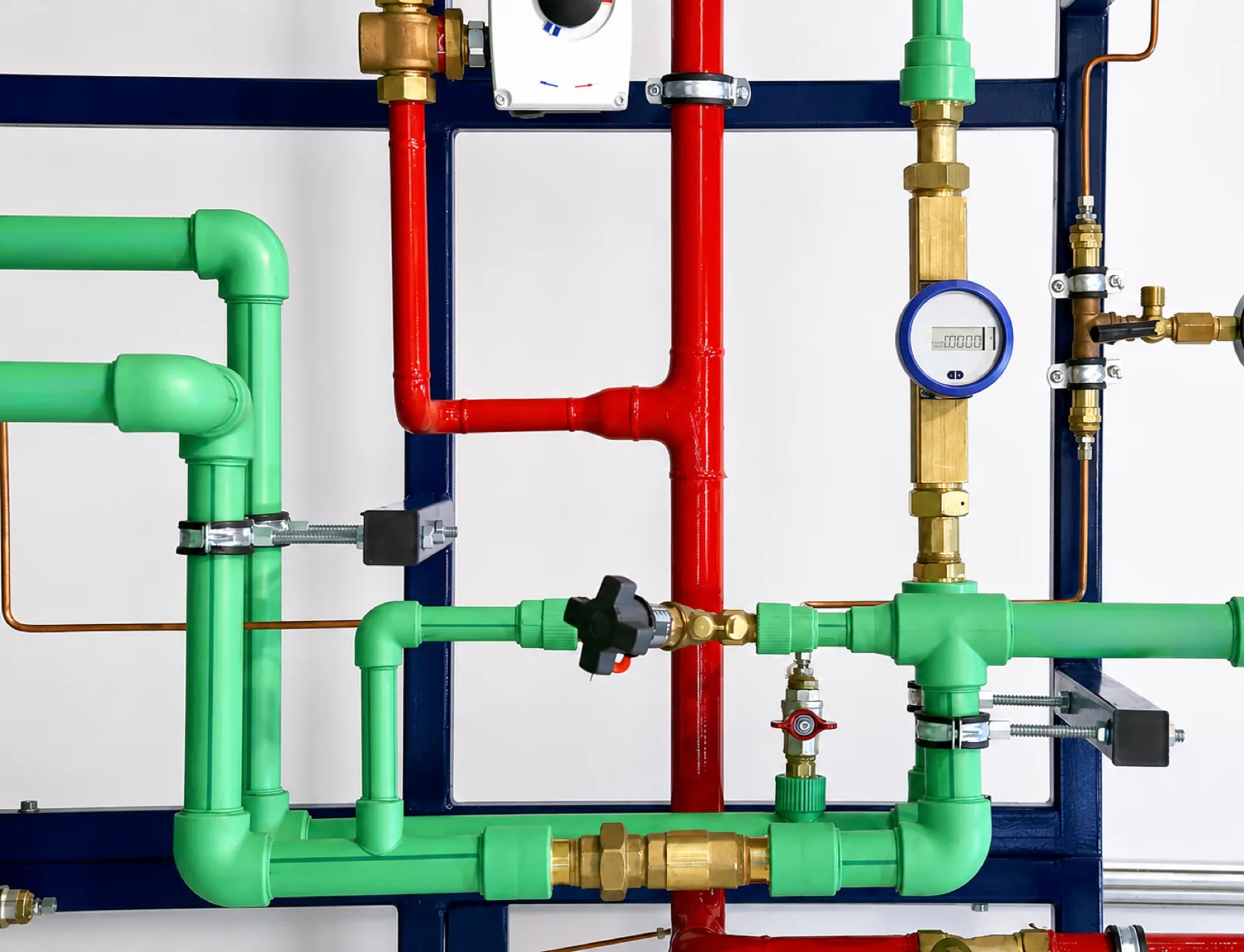
On our range the PVC vs PPR choice only exists at 20, 25 and 32 mm.
 Material Selection
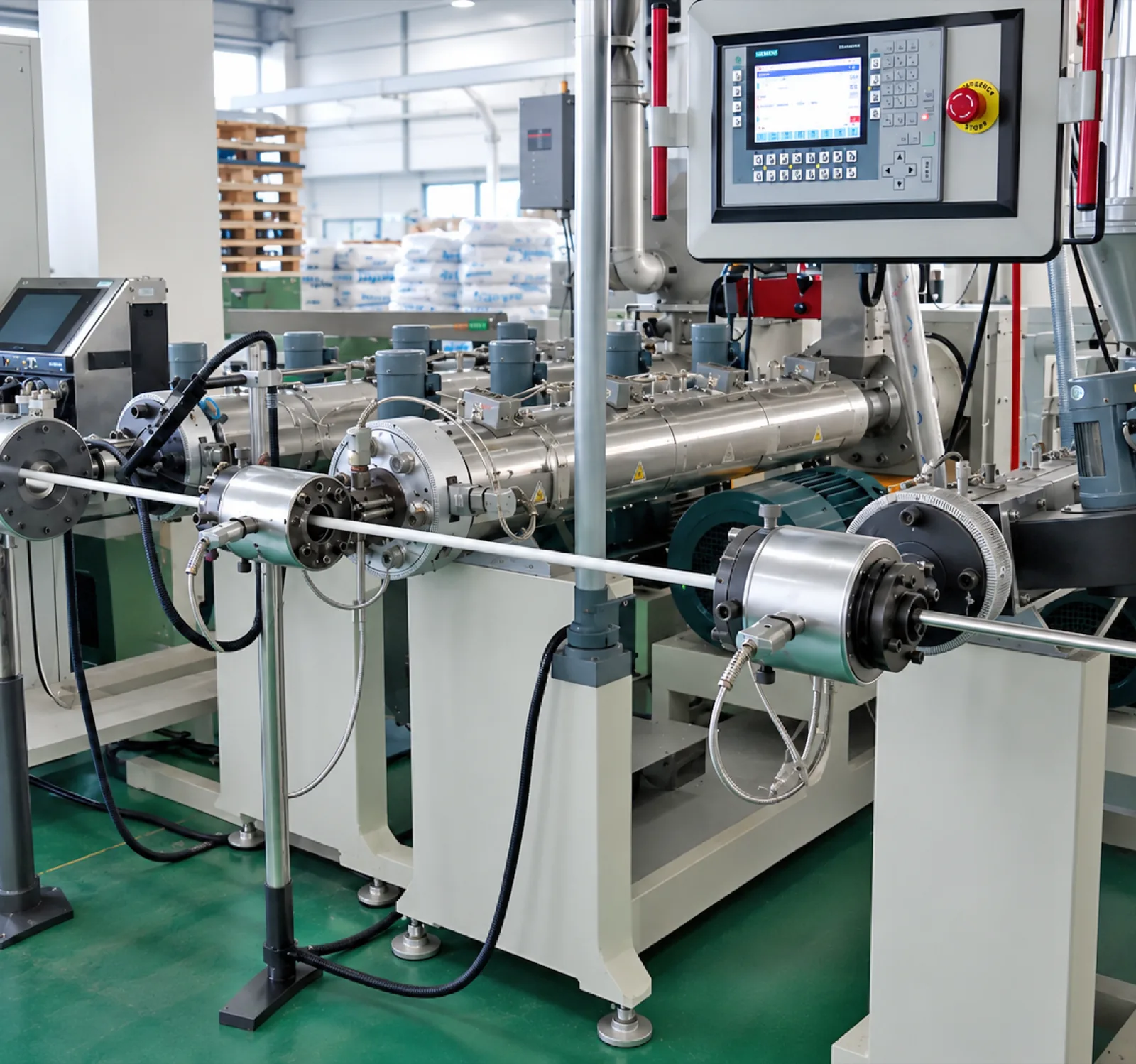
PEX is mechanically joined; PPR is heat-fused at 260 ± 10 C with a 4-second change-over window at 16-25 mm.
 Material Selection
PP-R belongs indoors, PE in the ground.
 Material Selection
Specify the wrong pipe for a hot-water or process line and it doesn’t just leak — it softens, creeps and fails at the joint under load.
 Material Selection
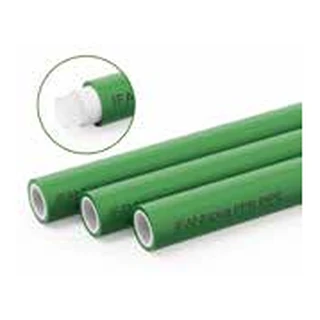
ISO 15874-2:2013 has no colour clause: colour is not a PP-R grade.
 Material Selection
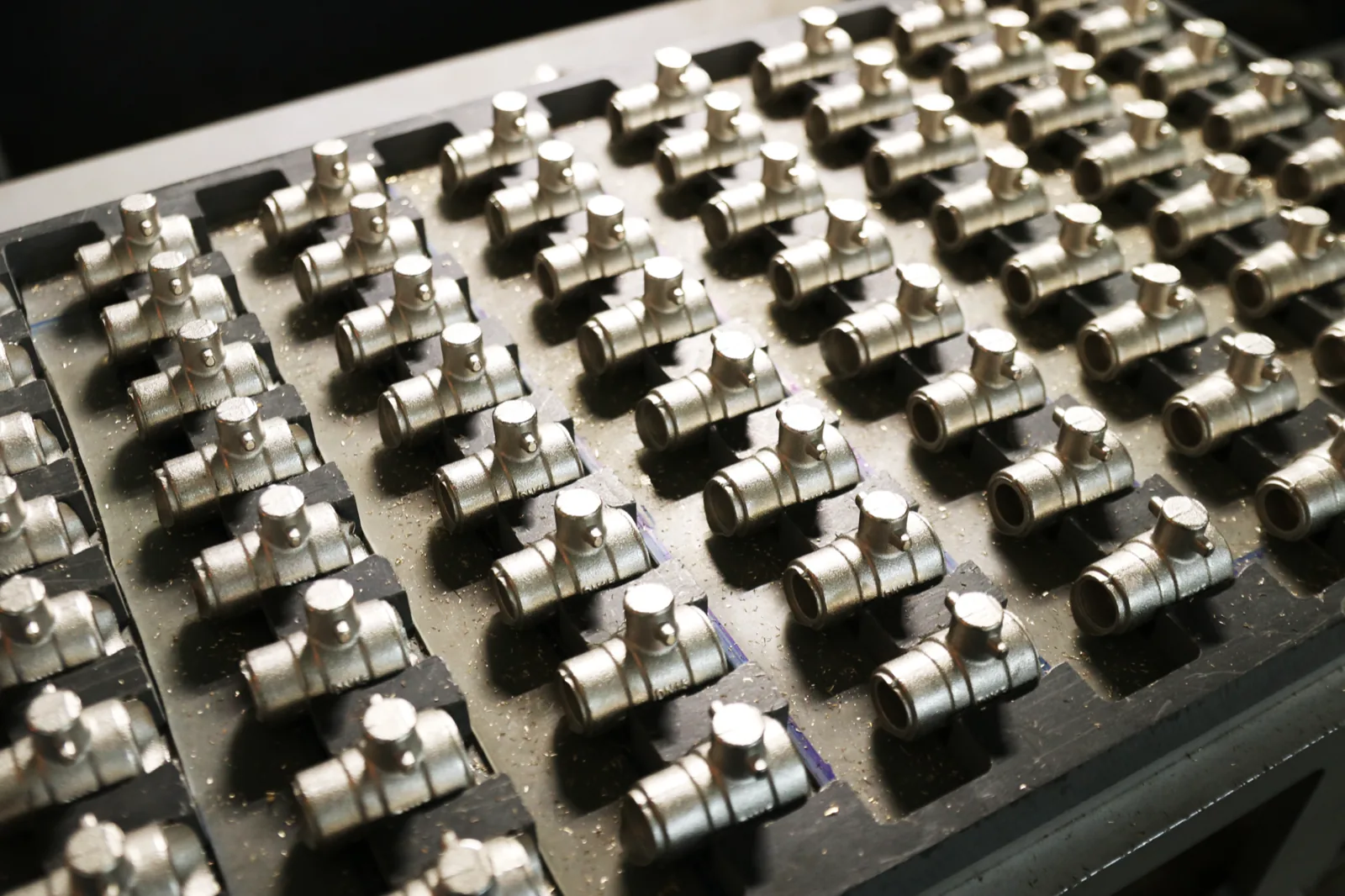
Brass or plastic fittings?
 Material Selection
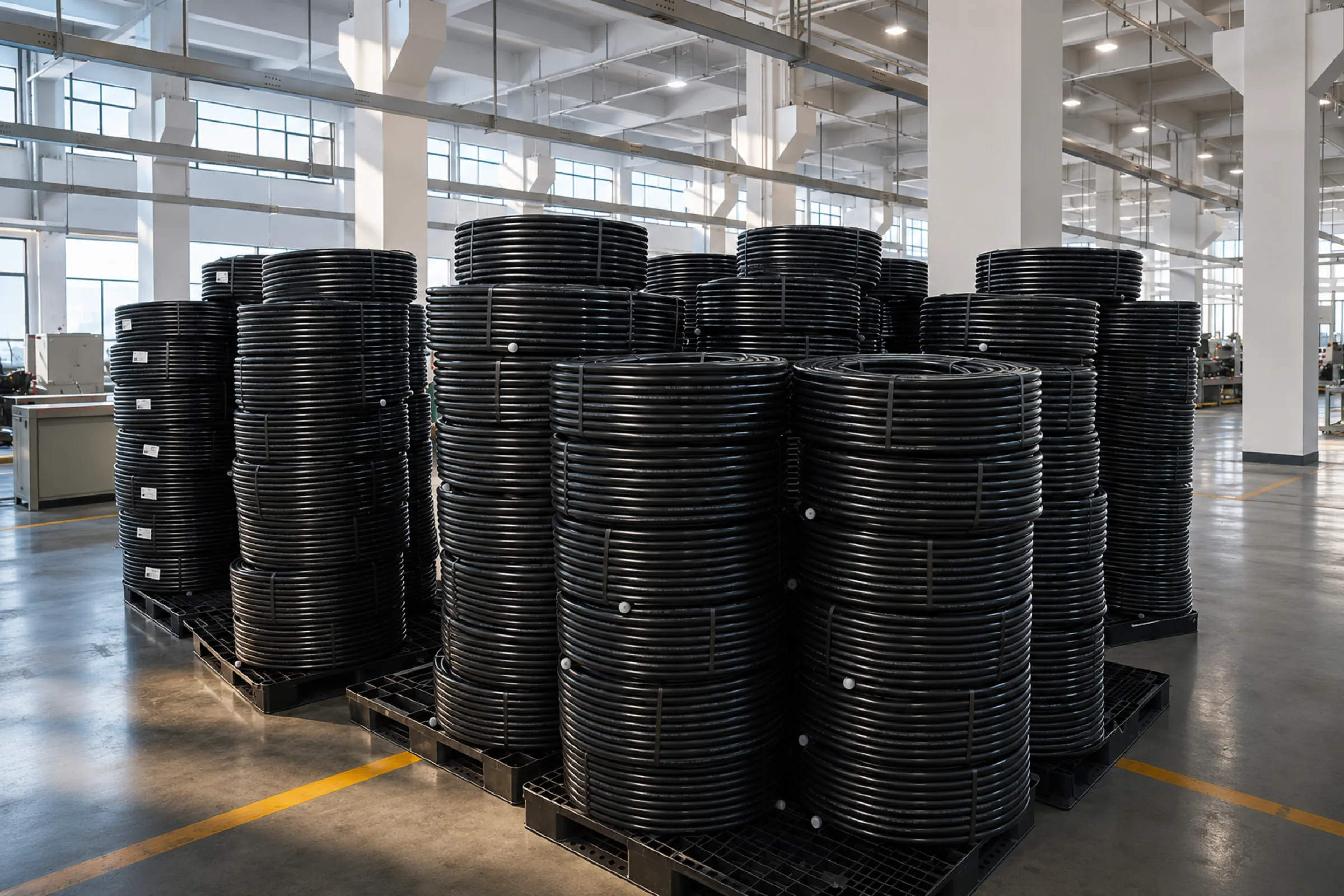
At 45 °C a pipe loses pressure capacity, stiffness and surface integrity — three separate deratings governed by three different documents.
 Material Selection
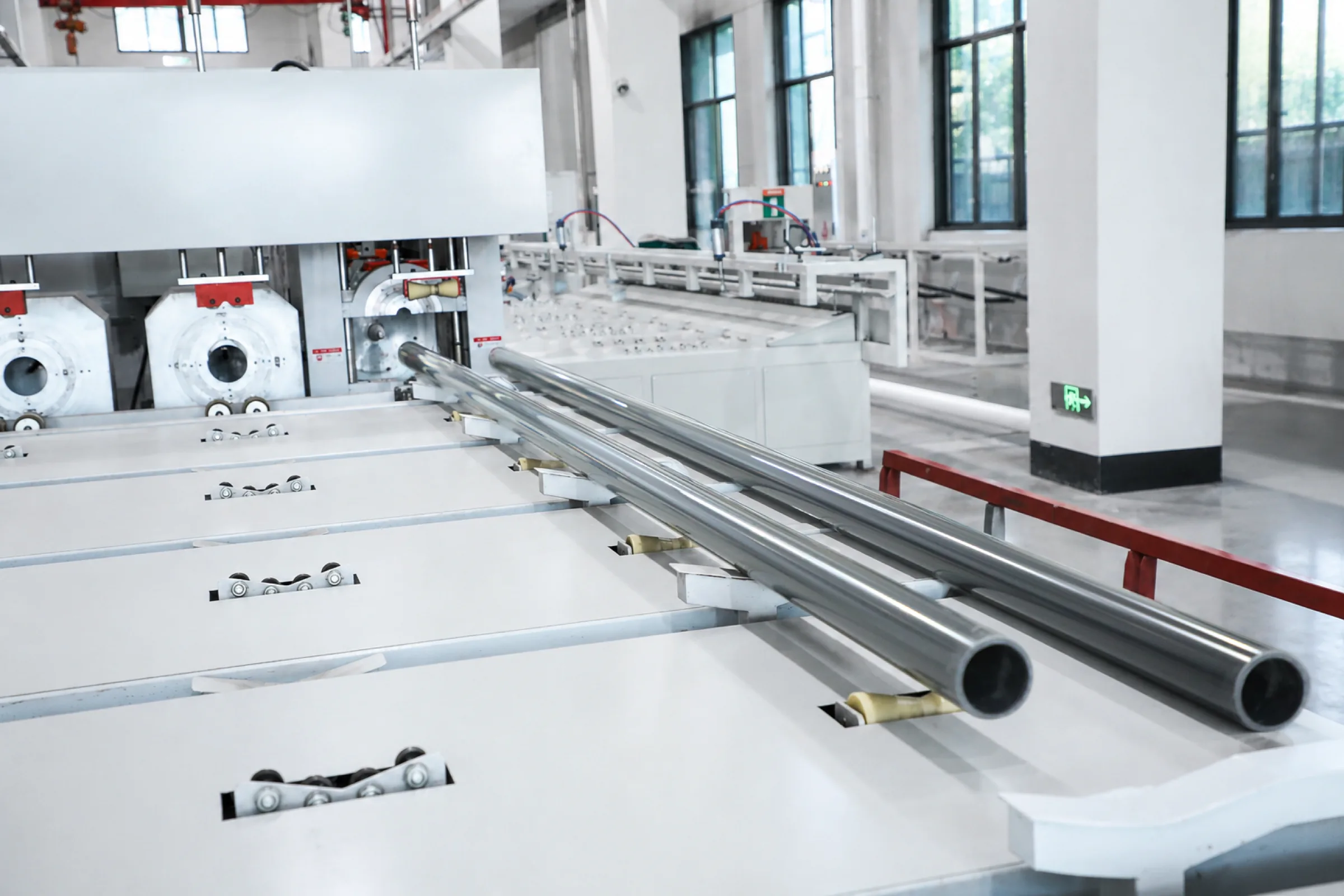
The pressure side of SDR is well covered elsewhere.
 Material Selection
Same design stress, same 16 bar, different rounding convention.
 Material Selection
ISO defines three material categories, not two: virgin, own in-house rework (permitted in pressure pipe, except PE-X), and external or post-consumer recyclate…
 Installation & Jointing
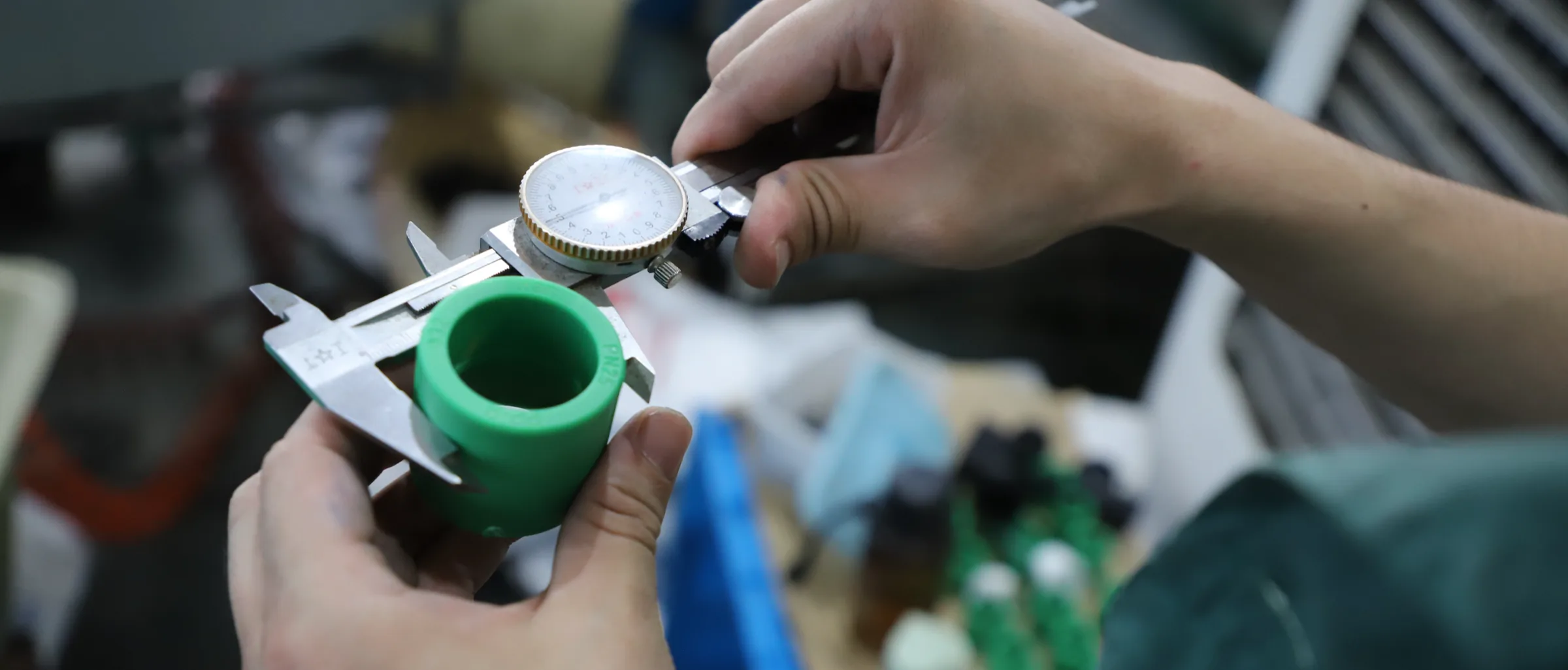
Socket fusion parameters for PP-R by diameter: heater at 260 ± 10 °C, heating 5–60 s, change-over max 4–10 s, insertion depth 14.5–40 mm.
 Installation & Jointing
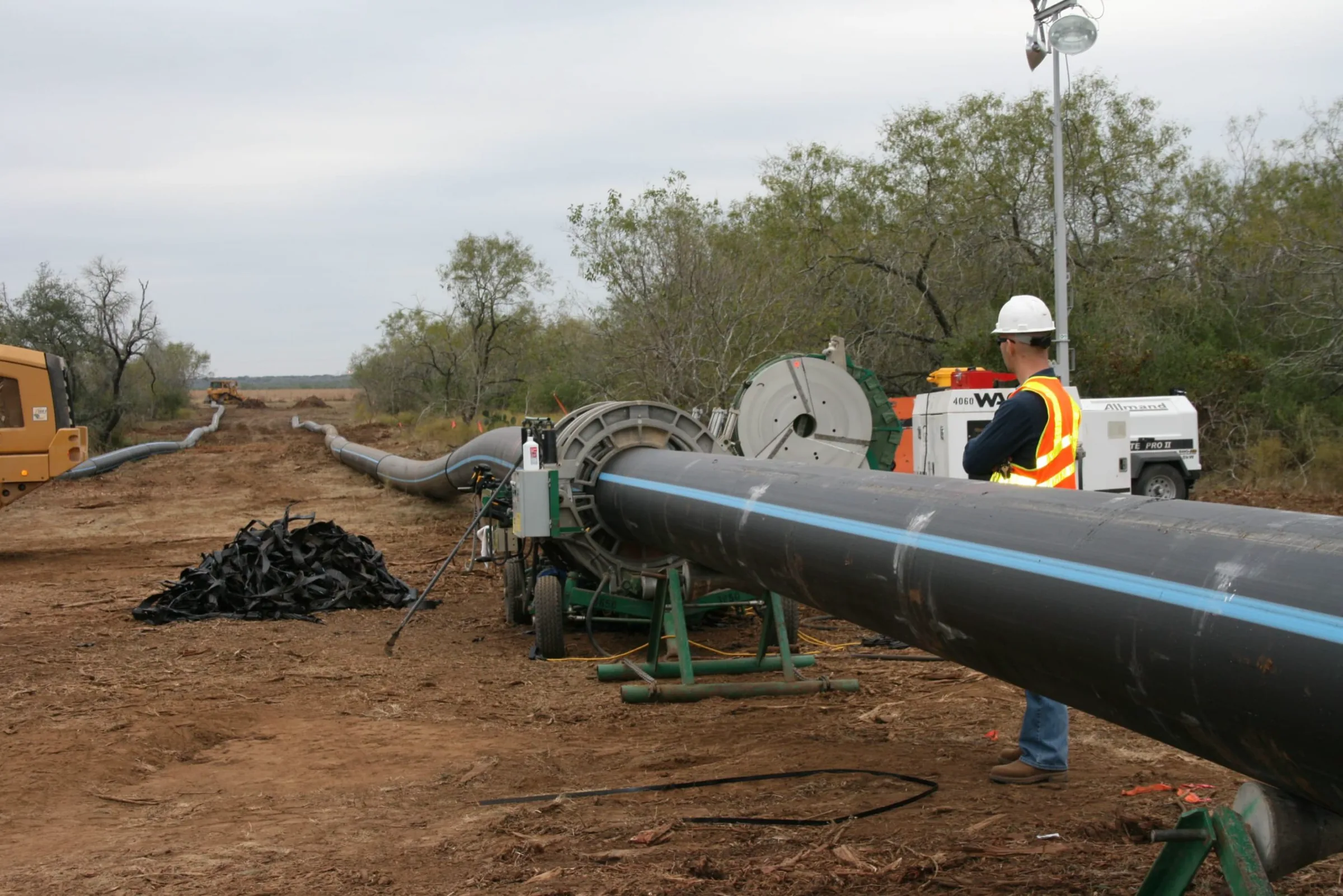
Butt fusion, electrofusion and compression compared on process windows, not joint strength: PPI TR-33 heater 204-232 C, DVS 2207-1 200-220 C with 10x wall soak, ISO…
 Installation & Jointing
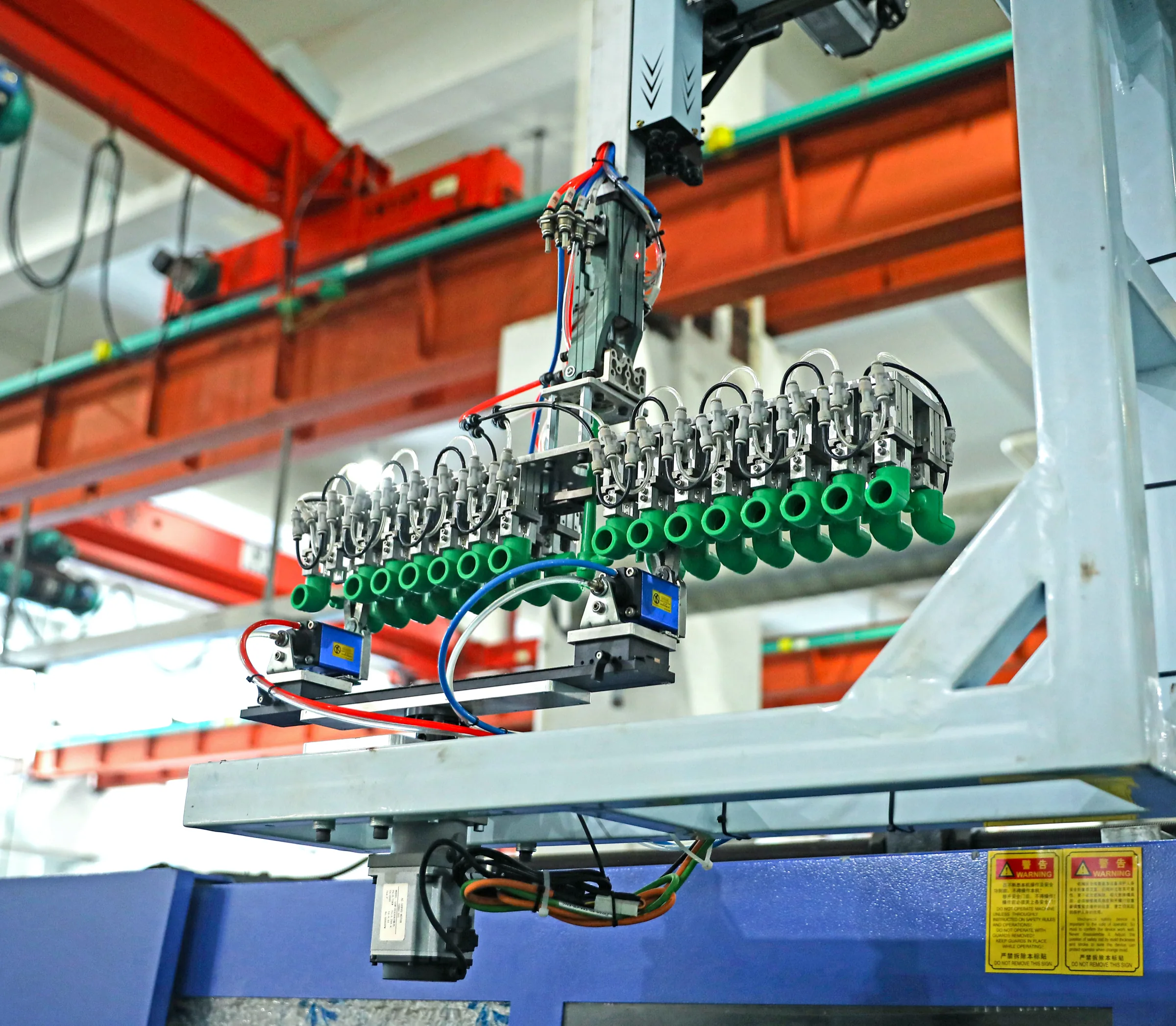
Cold joints cause most field butt fusion failures and ultrasonic inspection cannot detect them.
 Installation & Jointing
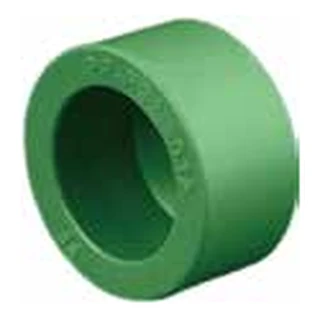
DVS 2207-1 tabulates socket welding only to OD 125 mm and permits hand-held work only to 50 mm; from 63 mm a machine is required.
 Installation & Jointing
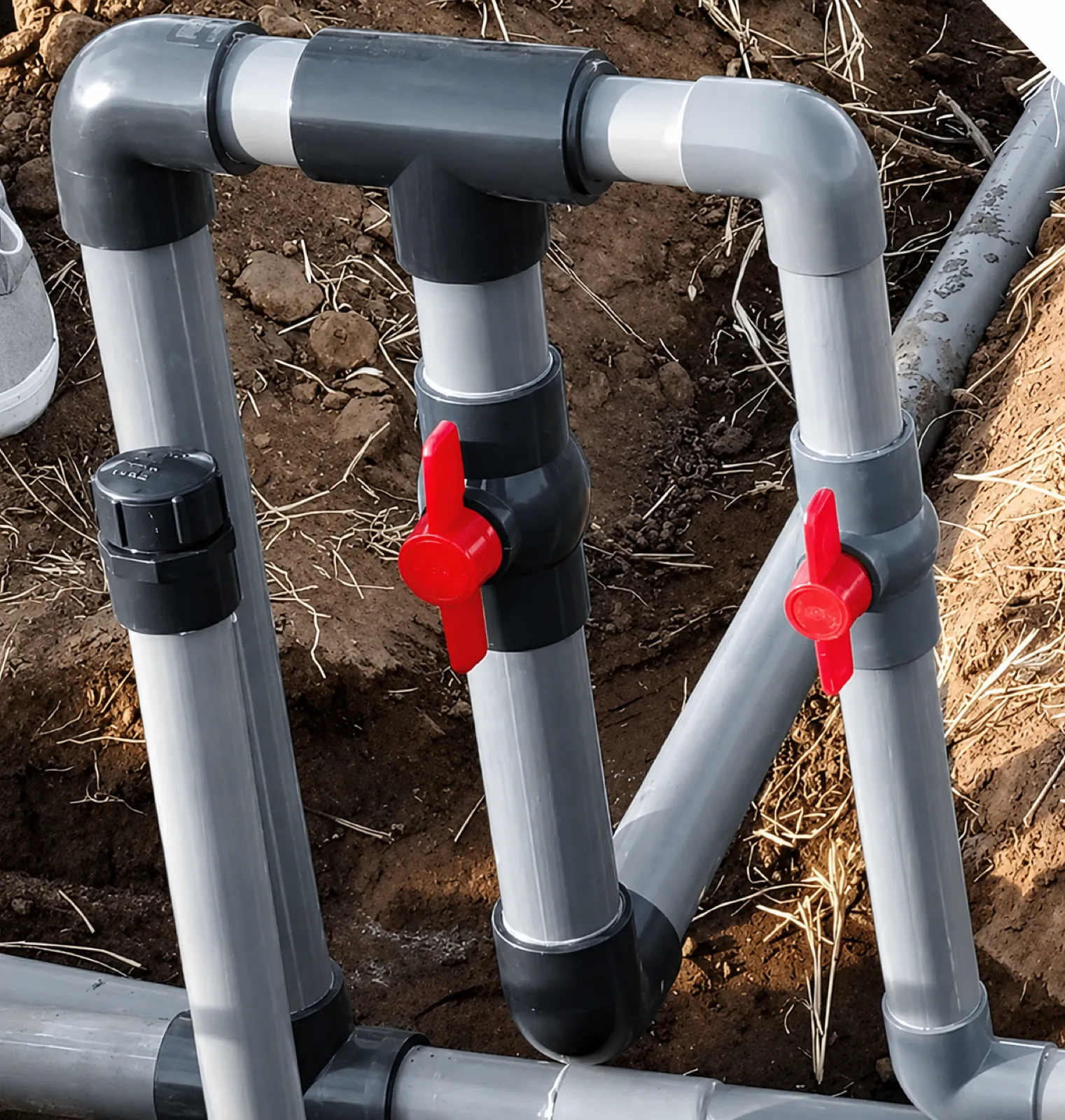
A PP-R puncture can be repaired in place with a fusion pin, but only if the damage is a clean hole.
 Installation & Jointing
A failed pressure test does not tell you where.
 Installation & Jointing
Plastic pipe pressure testing: how viscoelastic creep drops the gauge without a leak, the standard test methods, and how to tell relaxation from a real failure.
 Installation & Jointing
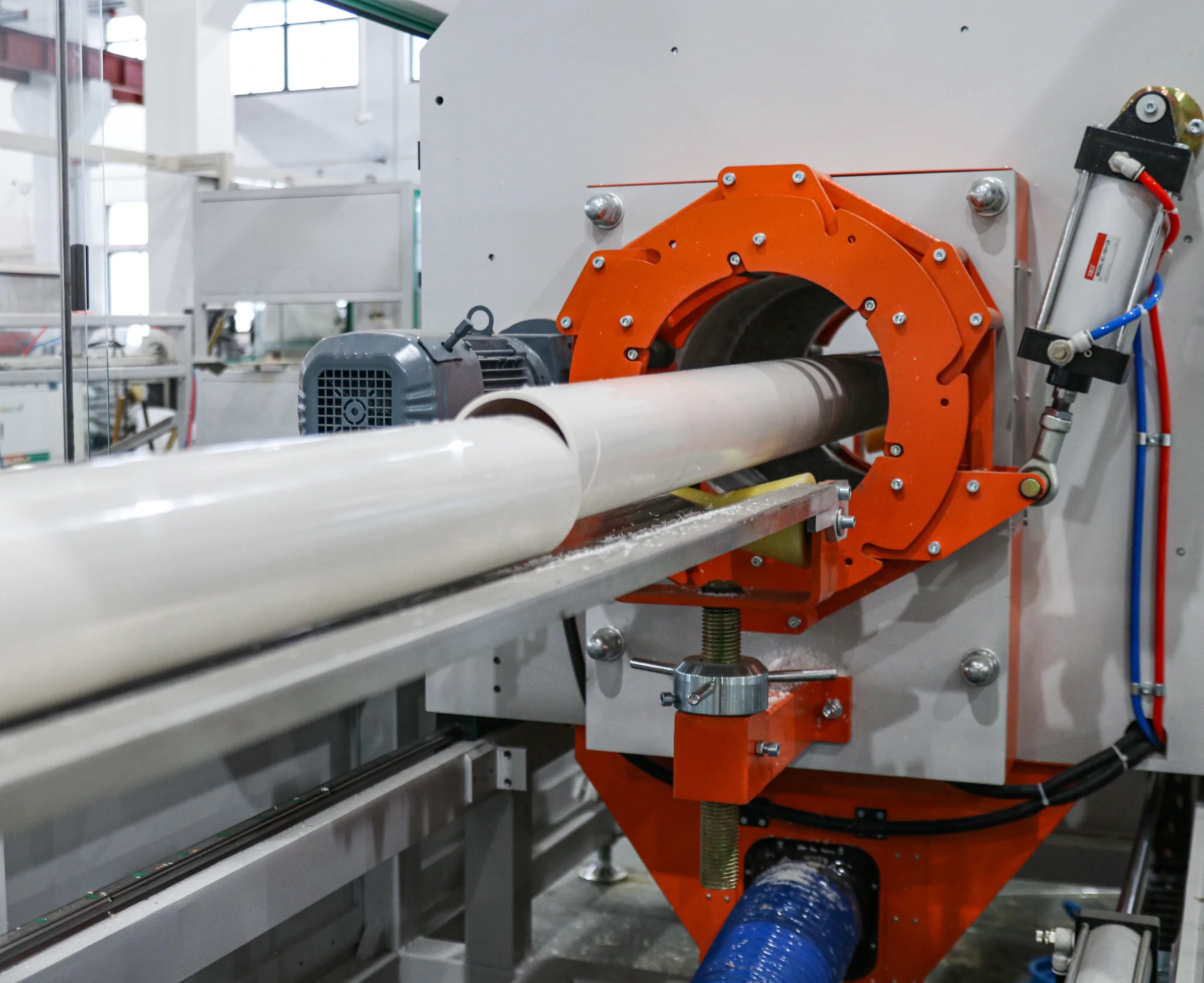
Organised by what the fitting does, not by catalogue order.
 Installation & Jointing
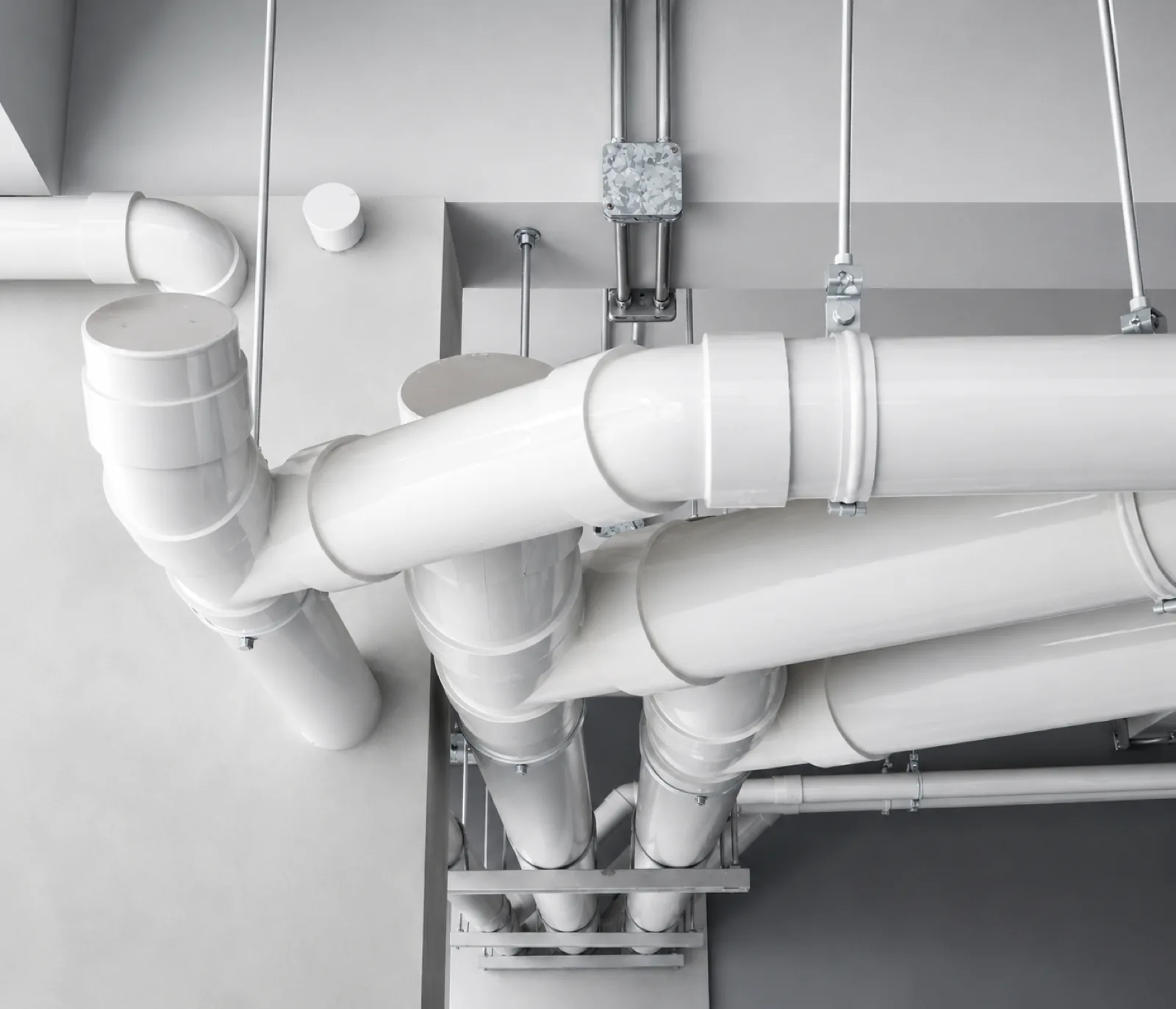
Drainage fittings sorted by function, not shape: trap seals (50 mm EN baseline, 75 mm for most UK appliances, 25 mm residual after test), branch vents within 750 mm…
 Installation & Jointing
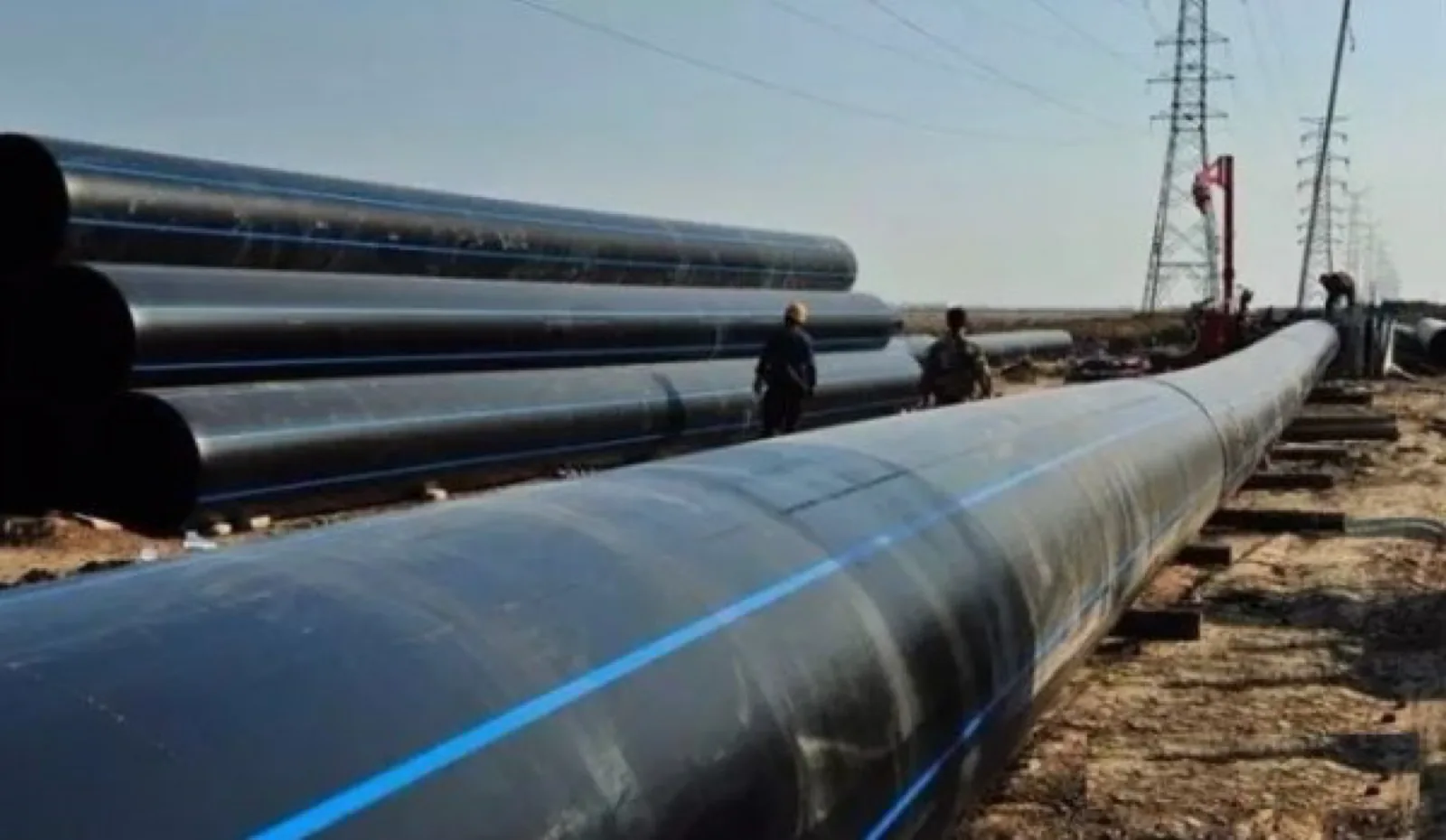
A specification-led uPVC drainage guide: EN 1329 above ground vs EN 1401 below ground, 75/100 mm service minimums, Approved Document H gradients (1:40, 1:80, 1:150)…
 Installation & Jointing
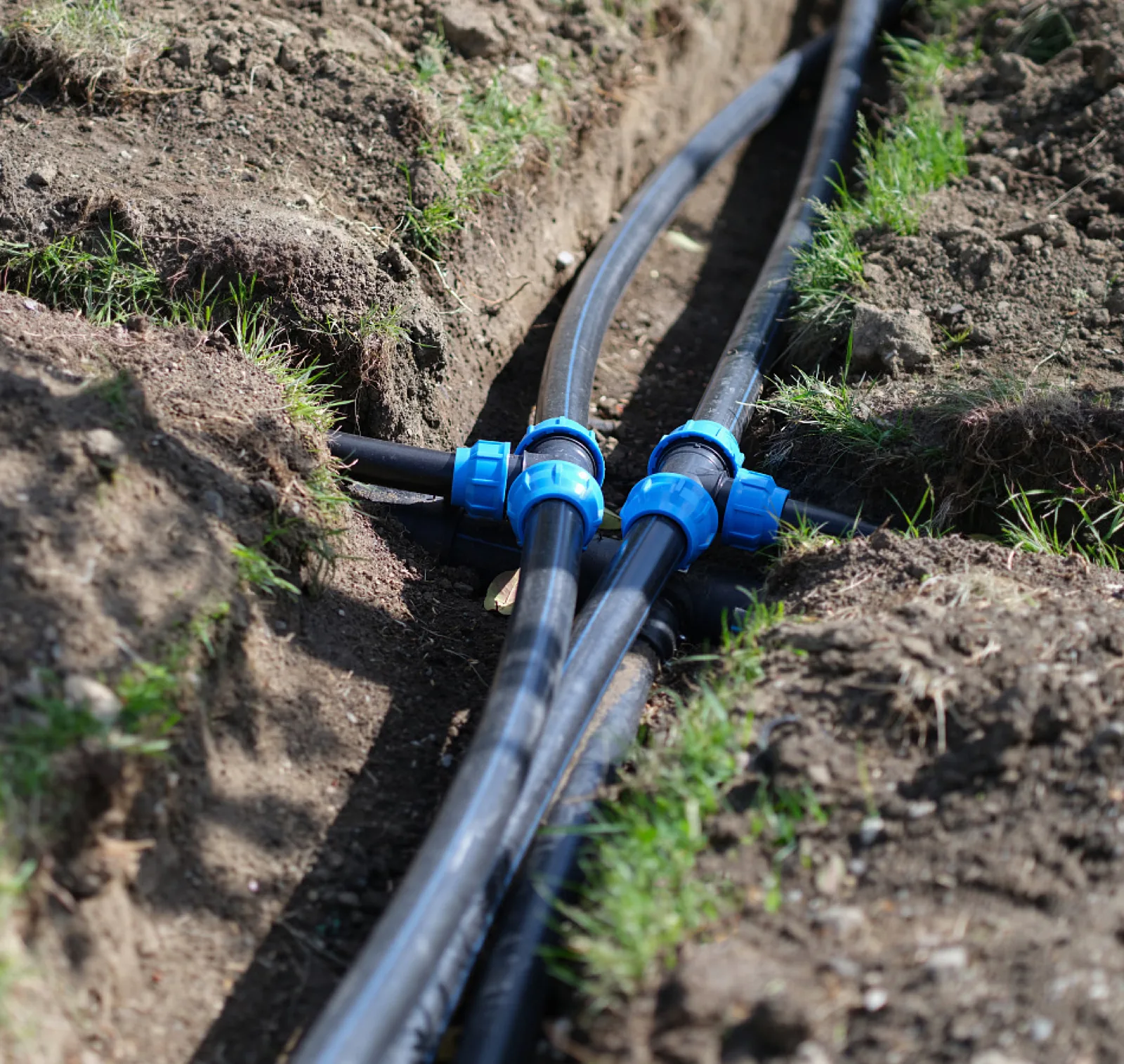
An irrigation network is three pressure tiers, not one.
Sizes & ReferenceFour designation systems that do not agree with each other, reconciled against the sizes we actually manufacture.
 Sizes & Reference
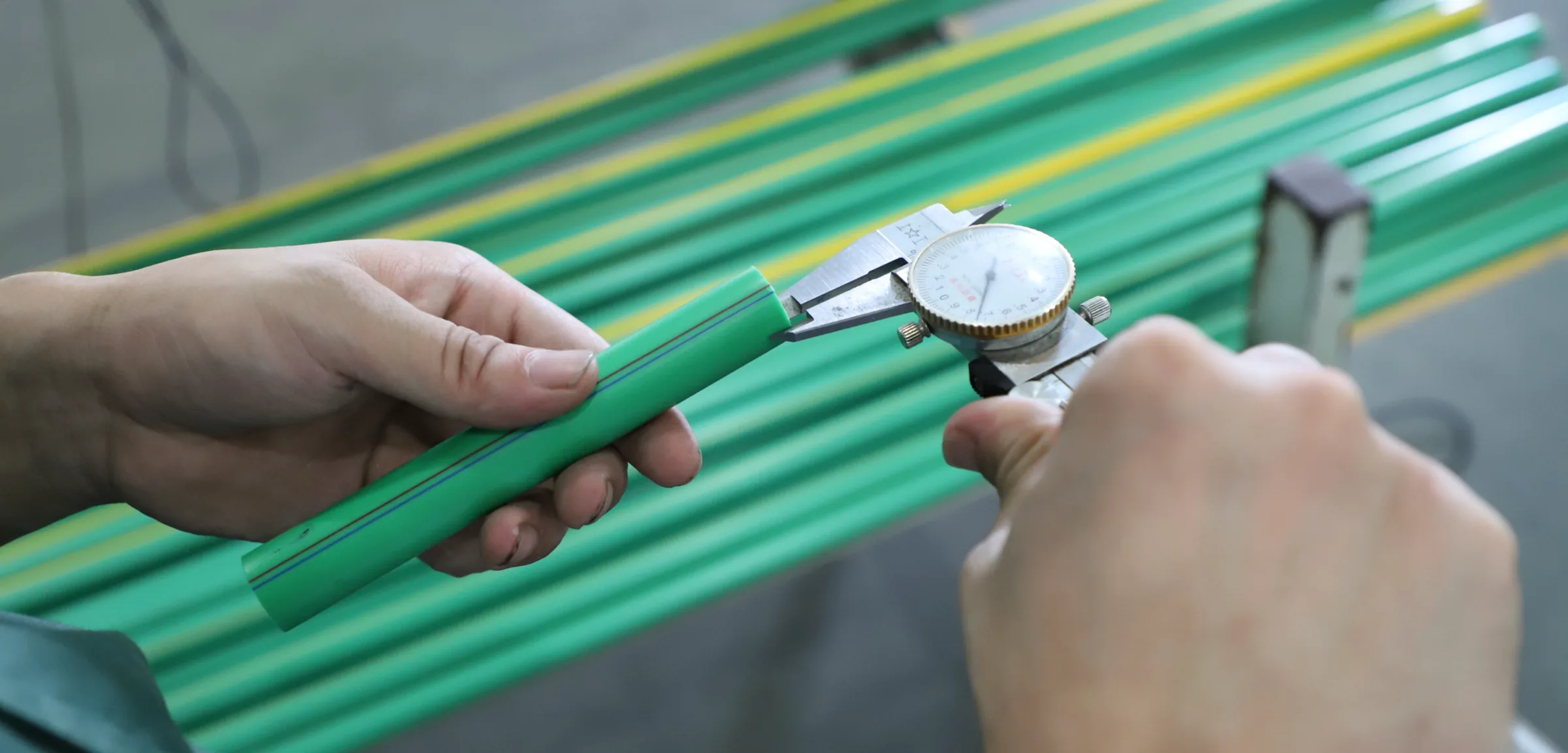
The metric range we actually manufacture, with the catalogue wall thickness for every one of the nine sizes we make, and a clear statement of where the range stops.
 Sizes & Reference
Our PPR line is three sizes deep.
 Sizes & Reference
Our catalogue states a wall thickness for every diameter we make.
 Sizes & Reference
Read a PPR size wrong and it gets expensive fast — a fitting that won’t fuse, a hot line specced at the wrong pressure class, an on-site swap that stalls the job.
 Sizes & Reference
We got a standard number wrong, we are saying so on the page rather than deleting it, and the corrected guide is one click away.
 Chilled Water & HVAC
Material comparison sourced to named test methods, the constraints that actually govern sizing, and why condensation — not pressure — is what fails a…
 Chilled Water & HVAC
A worked chilled water pipe sizing example: cooling load to flow, flow to diameter, with the velocity and pressure-drop limits that govern each step and where the…
 Chilled Water & HVAC
What one floor of chilled water branch pipework actually consumes: valve authority, strainer sizing, and the fitting counts that stop a site when they are missed.
 Chilled Water & HVAC
Primary, primary-secondary and variable-flow chilled water loops compared — and which layer of the system a branch pipe supplier actually serves.
 Chilled Water & HVAC
Expansion loops, anchors and guides for plastic chilled water pipe: how to size the offset leg, where to fix, and the engineering cost of choosing plastic.
 Chilled Water & HVAC
Why the vapour barrier — not insulation thickness — decides whether chilled water insulation survives.
 Chilled Water & HVAC
The chilled water failure mode that is not a leak: how ceiling-void condensation forms, how to tell it from a leak, and what actually prevents it.
 Chilled Water & HVAC
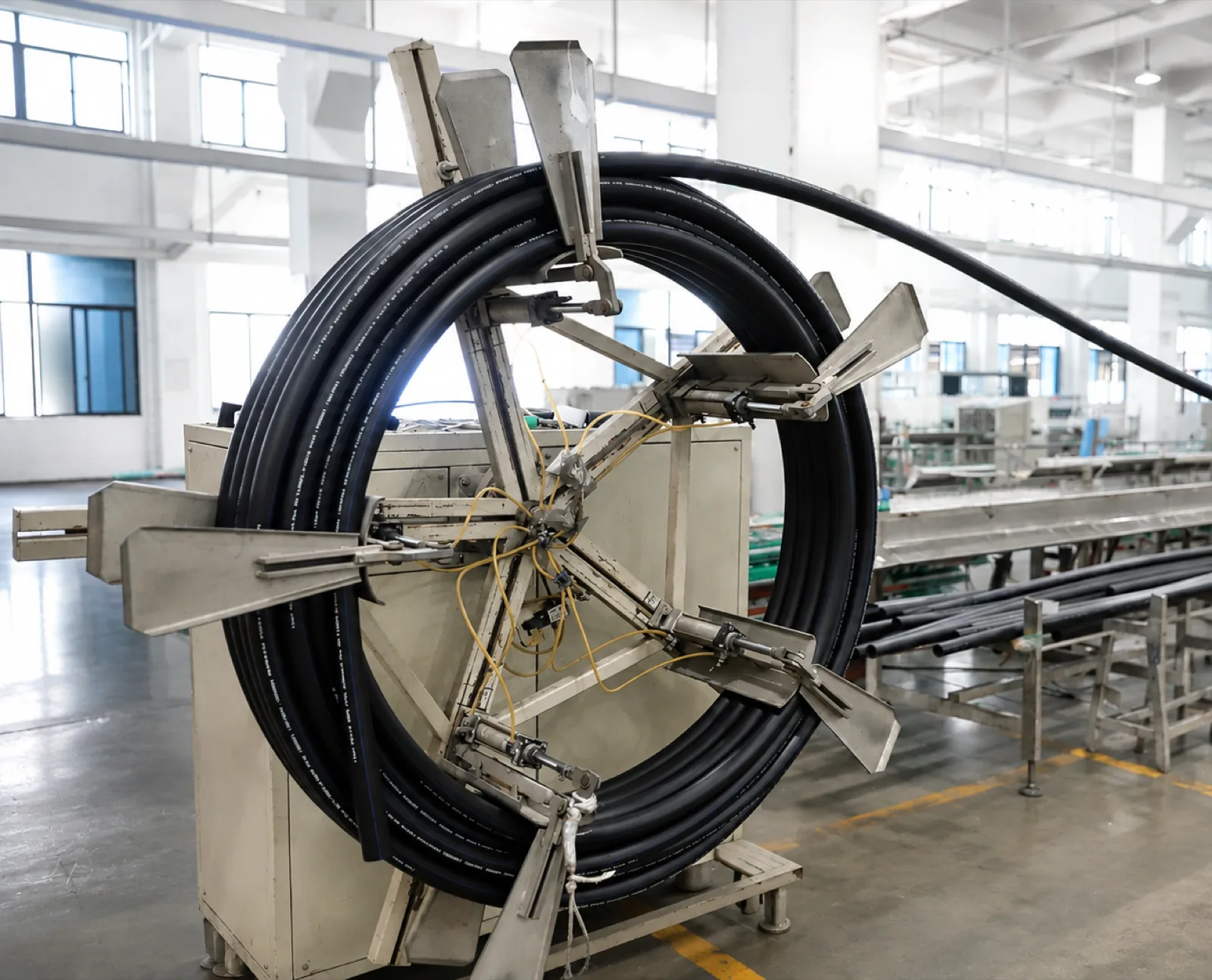
Where HDPE fits in HVAC: condenser water loops and buried chilled water runs, with pressure derating, burial deflection and jointing choices.
 Importing & Compliance
The certification route as the official sources describe it, with the responsibility split written out — and an honest list of the numbers everyone quotes…
 Importing & Compliance
Two schemes that are routinely confused, one of which involves a factory audit.
Importing & ComplianceFour certification schemes, four different legal bases, and one regulatory gap nobody in the trade talks about openly.
 Importing & Compliance
Classification logic you can apply to your own product, plus a straight explanation of why the duty rate is the one number we will not print.
 Importing & Compliance
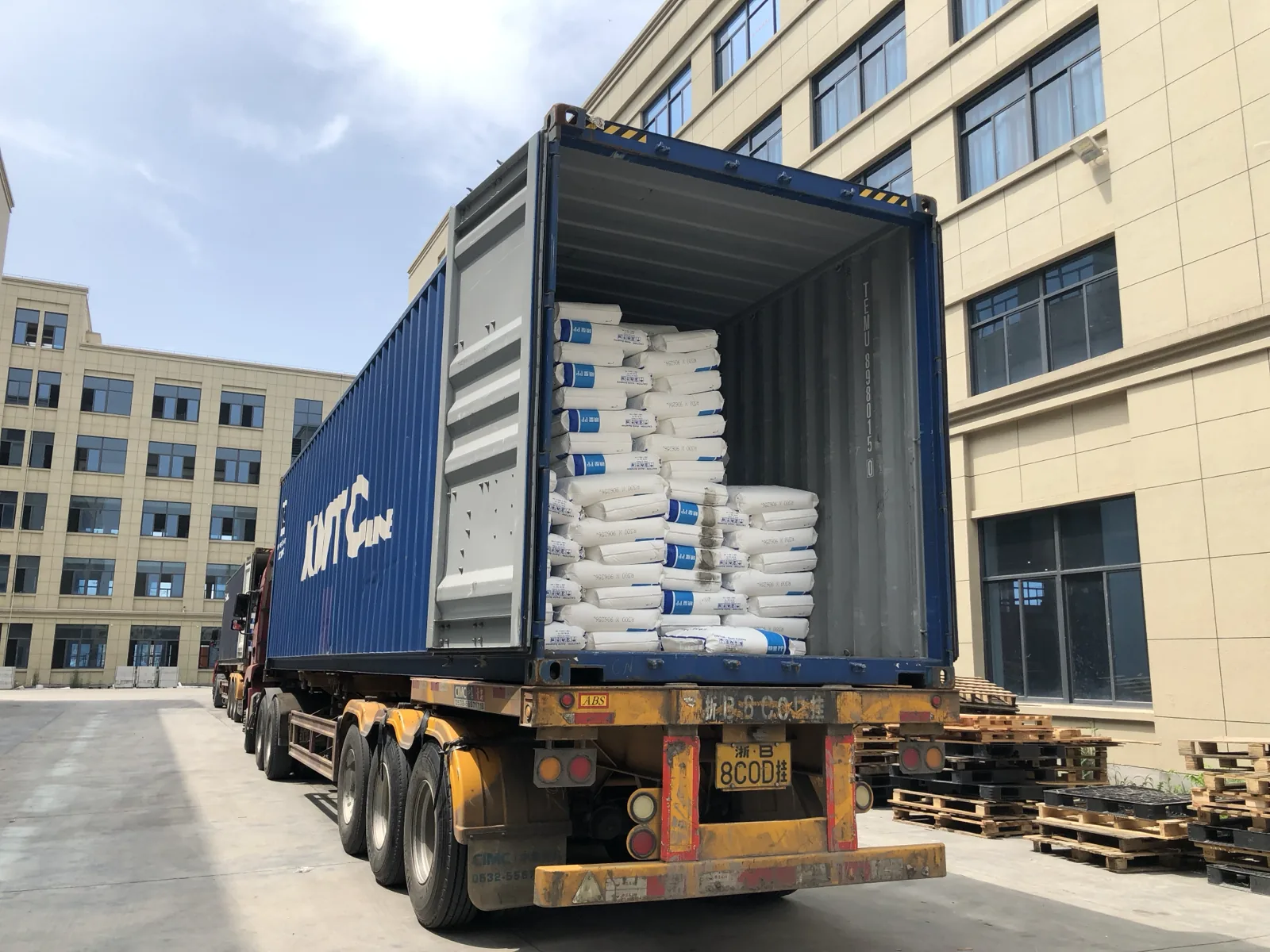
A container of PPR or HDPE stuck at port doesn’t just cost demurrage — it ties up your cash and leaves your customers waiting.
 Importing & Compliance
Written from the supplier side, including what to do when a supplier tells you a certificate number is coming soon — which is what we currently have to say…
 Sourcing & Commercial
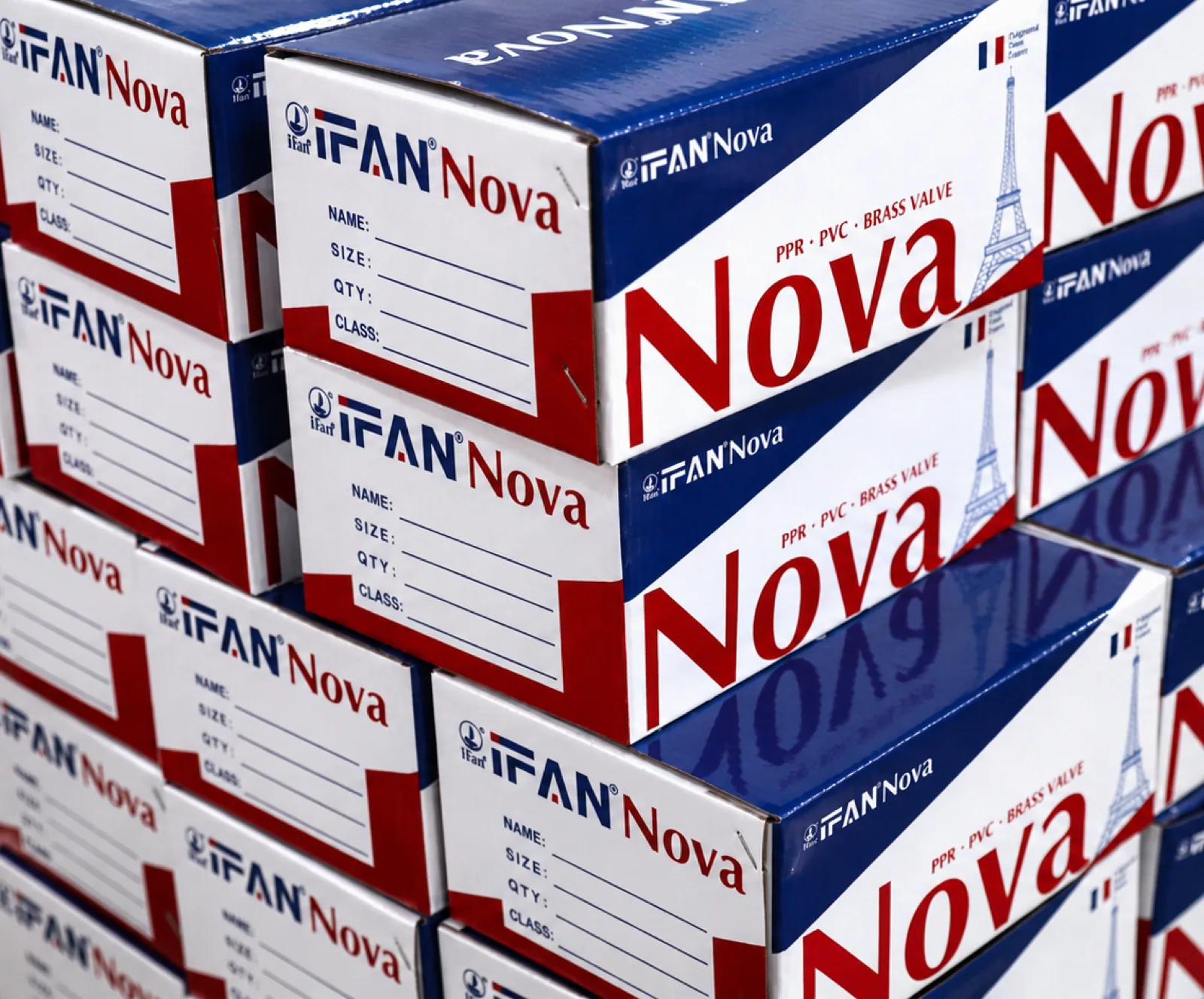
Not a sales pitch for cutting out the middleman.
Sourcing & CommercialBoth routes are legitimate.
 Sourcing & Commercial
OEM keeps your design portable; ODM keeps the moulds with the factory.
 Sourcing & Commercial
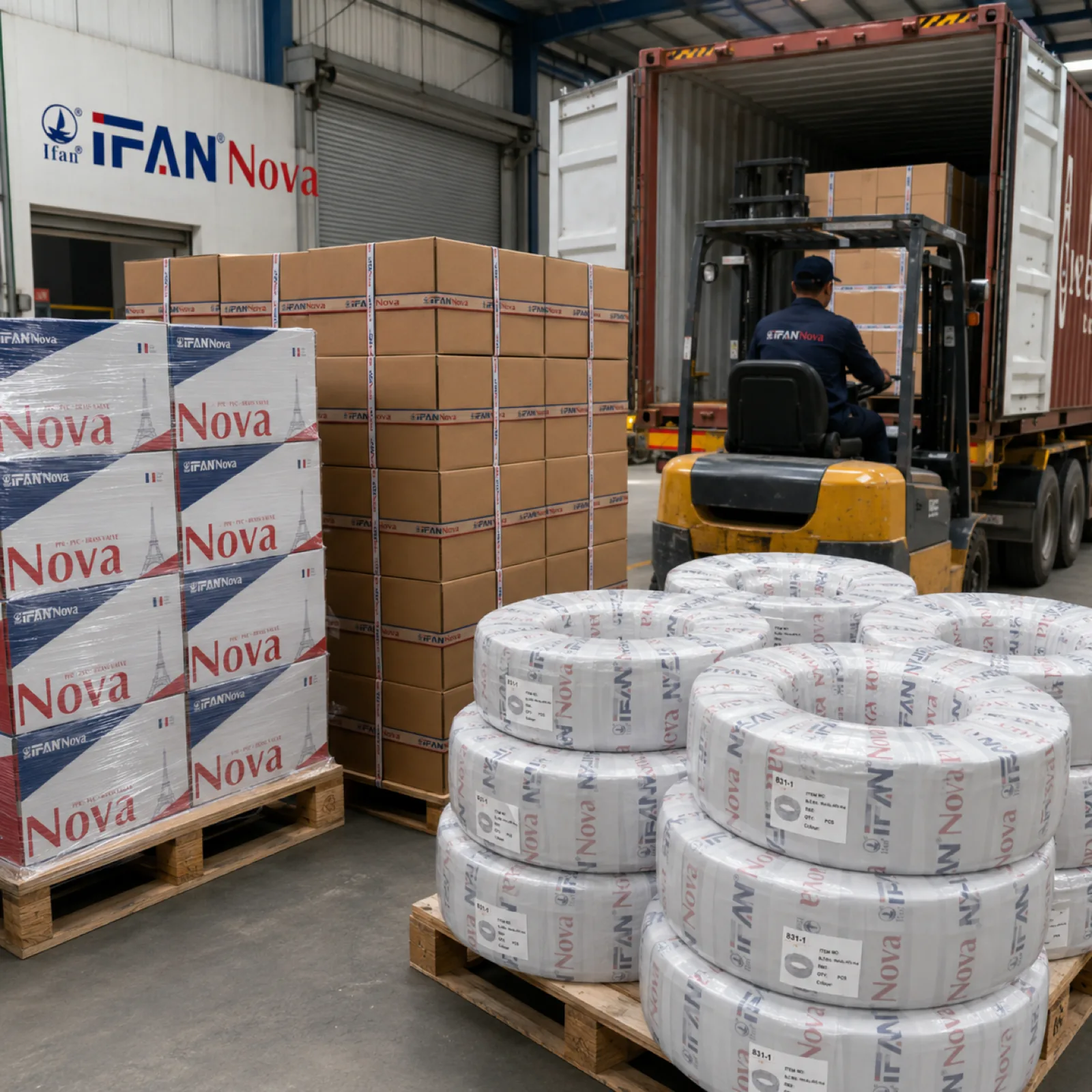
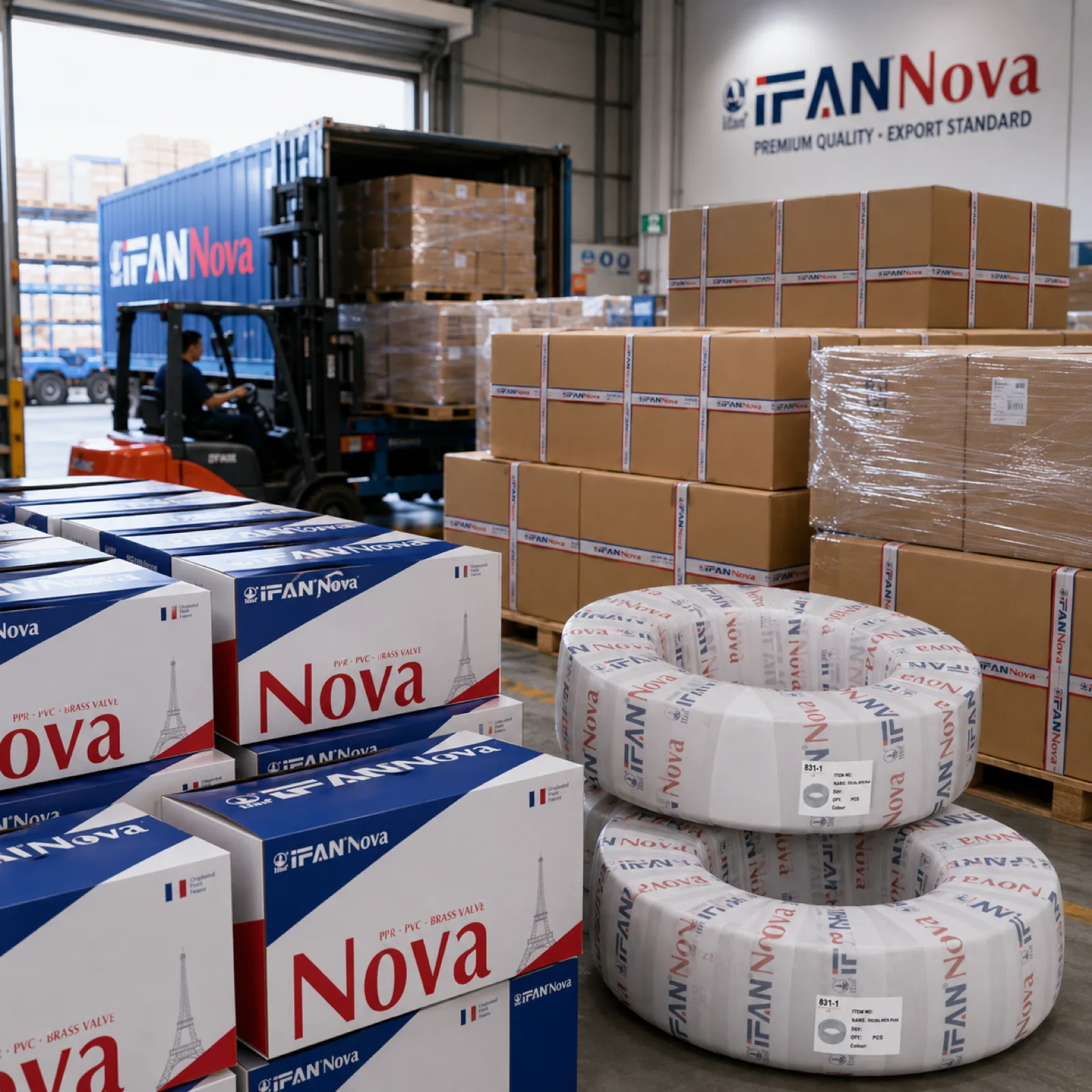
Pipe is a volumetric cargo.
 Sourcing & Commercial
A 4 m fixed length is a shipping decision as much as a product one.
Try a broader term, or start from one of these:
Temperature, pressure, buried or exposed, and the market it ships to — that is enough for us to come back with a system, a size range and a price.